

AIR COMPRESSOR
& PIPES LEADER
& PIPES LEADER

A reducing tee is a pipe connection element used to divide a pipe into two branches of different diameters or to merge two pipes of different diameters into one pipe.
The advantages of reducing tees include:
1. Simplified piping system: By using reducing tees, pipes of different diameters can be connected together, simplifying complex piping layouts to a single connection point and reducing the complexity of the piping system.
2. Space saving: Since reducing tees can merge two pipes of different diameters into one, they save space, which is especially useful in space-constrained locations.
3. Adaptability to fluid flow variations: By using reducing tees, the piping system can adapt to changes in fluid flow, making the system more flexible and reliable.
4. Improved fluid transport efficiency: The design of reducing tees allows for smooth fluid flow, reducing pressure loss and thus improving the transport efficiency of the piping system.
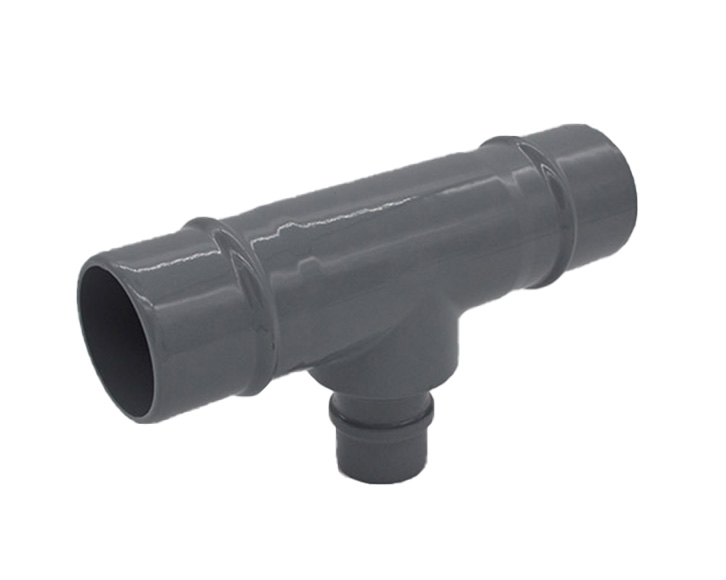
Reducing tees are suitable for many applications.
During engineering design and installation, factors such as fluid flow rate, pressure requirements, and pipe material must be considered to ensure the normal operation and safety of the reducing tee.
In short, a reducing tee is a connecting element used to divide a pipeline into two branches of different diameters or to merge two pipelines of different diameters into a single pipeline. Through its characteristics of simplifying piping systems, saving space, adapting to changes in fluid flow rate, and improving fluid transport efficiency, reducing tees play an important role in piping systems.
Model |
DN50-40 |
DN63-40 |
DN63-50 |
DN80-40 |
DN80-50 |
DN80-63 |
DN100-50 |
DN100-63 |
DN100-80 |
DN125-50 |
DN125-63 |
DN125-80 |
DN125-100 |
DN148-50 |
DN148-63 |
DN148-80 |
DN148-100 |
DN148-125 |
DN200-63 |
DN200-80 |
DN200-100 |
DN200-125 |
DN200-148 |
DN273-100 |
DN273-125 |
DN273-148 |
DN273-200 |
No. 500, Zhengyang Middle Road, Chengyang District, Qingdao
