

AIR COMPRESSOR
& PIPES LEADER
& PIPES LEADER

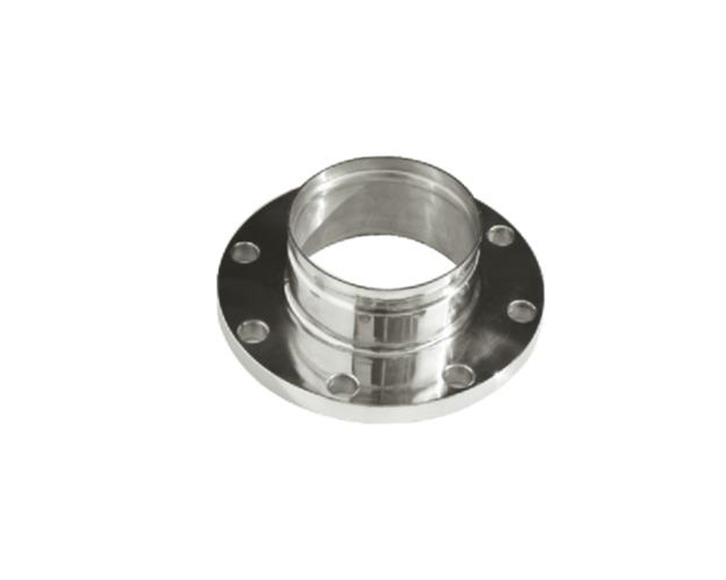
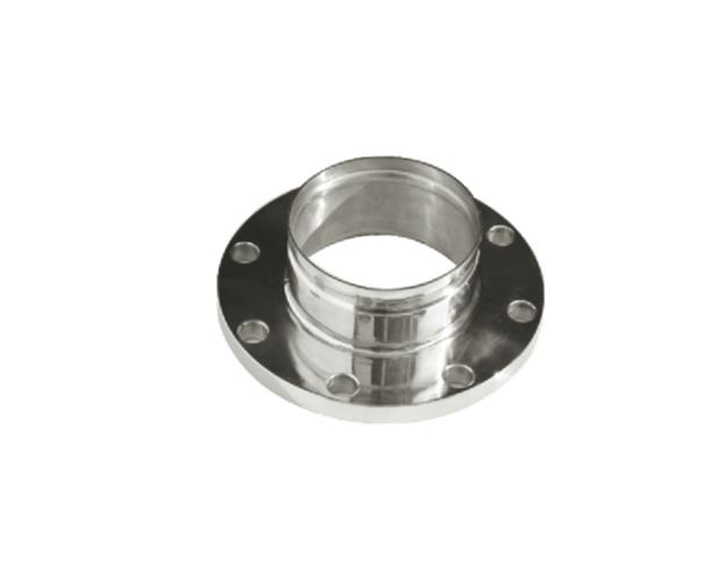
Stainless steel pipe flanges are key components for industrial pipeline connections, mainly used for sealing connections at pipe ends or equipment interfaces. They are fixed with bolts and combined with gaskets to achieve reliable sealing. Its core advantages lie in corrosion resistance, high-temperature resistance and hygiene, and it is widely used in petrochemical, food and pharmaceutical, shipbuilding and other fields.
Youdaoplaceholder0 Common materials : 304 stainless steel (general-purpose, resistant to weak acids and weak alkalis), 316 stainless steel (containing molybdenum, resistant to chloride corrosion, suitable for chemical/Marine environments), duplex steel 2205 (high strength + corrosion resistance, suitable for oil/natural gas).
Youdaoplaceholder0 Performance features : Strong corrosion resistance (suitable for acidic and alkaline environments), good high/low temperature stability (-196℃ to 800℃), long service life (no need for frequent replacement), and excellent hygiene (preferred in the food/pharmaceutical industry).
Youdaoplaceholder0 classified by standard : Chinese standard (GB/T), American standard (ANSI), German standard (DIN), Japanese standard (JIS).
Youdaoplaceholder0 classified by structure : flat welding flanges, butt welding flanges, socket welding flanges, loose flanges, flange covers, etc.
Youdaoplaceholder0 Sealing surface forms : raised surface (RF), concave-convex surface (MFM), tenon and groove surface (TG), ring connection surface (RJ).
No. 500, Zhengyang Middle Road, Chengyang District, Qingdao
