

AIR COMPRESSOR
& PIPES LEADER
& PIPES LEADER
30th May, 2026
The choice of aluminium alloy piping for compressed air systems is based on the fact that it offers comprehensive advantages over traditional piping materials in terms of energy efficiency, quality and operational maintenance, making it the most cost-effective solution for industrial compressed air distribution. The specific advantages are as follows:

1. Corrosion-resistant and rust-free, ensuring a clean air supply:
A dense protective layer of aluminium oxide naturally forms on the surface of aluminium alloy, preventing rust even in humid or oily compressed air environments, and ensuring the inner walls remain smooth over the long term. In contrast, traditional carbon steel or galvanised pipes develop rust and welding slag after just 1–2 years of use. Impurities carried by the airflow into the end-use equipment can cause pneumatic tools to jam, wear down precision valves, and even contaminate products in the food, pharmaceutical and electronics industries. Aluminium alloy piping resolves this issue completely.
| Metric / Features | Aluminium Alloy Pipes | Traditional Carbon Steel / Galvanized |
| Energy Savings | Save 10% – 30% electricity | 0% (High energy waste) |
| Leakage Rate | Virtually 0% (Dual sealing) | High (20% – 30% air leakage) |
| Installation | 3–5x faster (Modular design) | Slow (Welding & threading required) |
2. Smooth inner walls with low pressure loss, resulting in significant energy savings:
The inner wall roughness of aluminium alloy piping is merely 0.001–0.003 mm, approaching mirror-finish standards, with friction-induced pressure drop amounting to just 30%–50% of that in carbon steel pipes. Lower pressure drop means air compressors do not need to increase their set pressure to compensate for pipeline losses. Actual measurements show that after retrofitting, annual electricity costs can be reduced by 10%–30%. A single 75kW air compressor can save over 30,000 kWh of electricity per year, and the cost difference in materials is typically recouped within 1–2 years through energy savings.
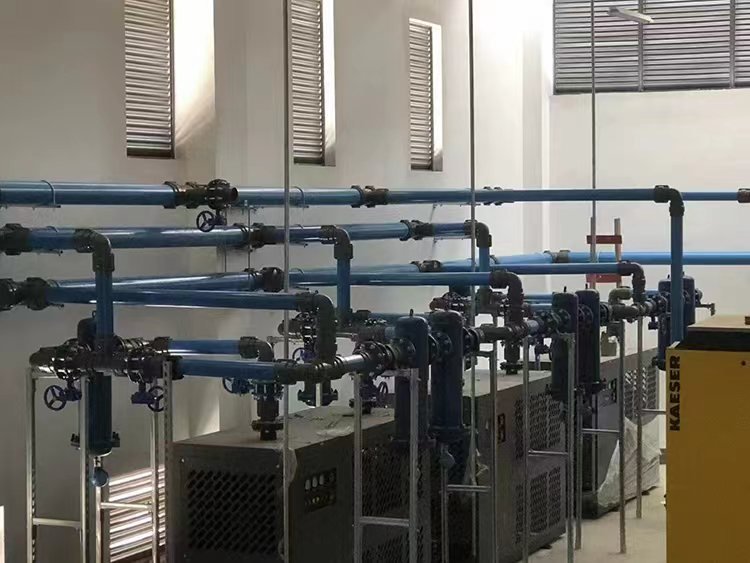
3. Lightweight, quick-fit design for efficient installation and low costs:
Aluminium alloy has a density of just one-third that of carbon steel, and pipes of the same specification weigh less than half as much as their carbon steel counterparts, significantly reducing the labour intensity of hoisting and installation. Furthermore, press-fit or quick-connect fittings are generally used, eliminating the need for welding or threading; installation requires only a pipe cutter and press-fit pliers. Construction speed is 3–5 times faster than traditional methods, allowing factory retrofits to be completed during brief production downtime windows, thereby greatly reducing losses from production stoppages.
4. Excellent sealing performance, low leakage rate, and long-term stability and reliability:
Threaded and welded joints in traditional piping are highly prone to leakage; the leakage rate in older pipelines is typically as high as 20–30%, resulting in significant energy wastage. Aluminium alloy piping utilises specialised sealing rings combined with cold extrusion locking to form a dual sealing barrier. When correctly installed, the leakage rate is virtually zero, not only reducing energy consumption but also preventing pressure fluctuations from affecting production processes.
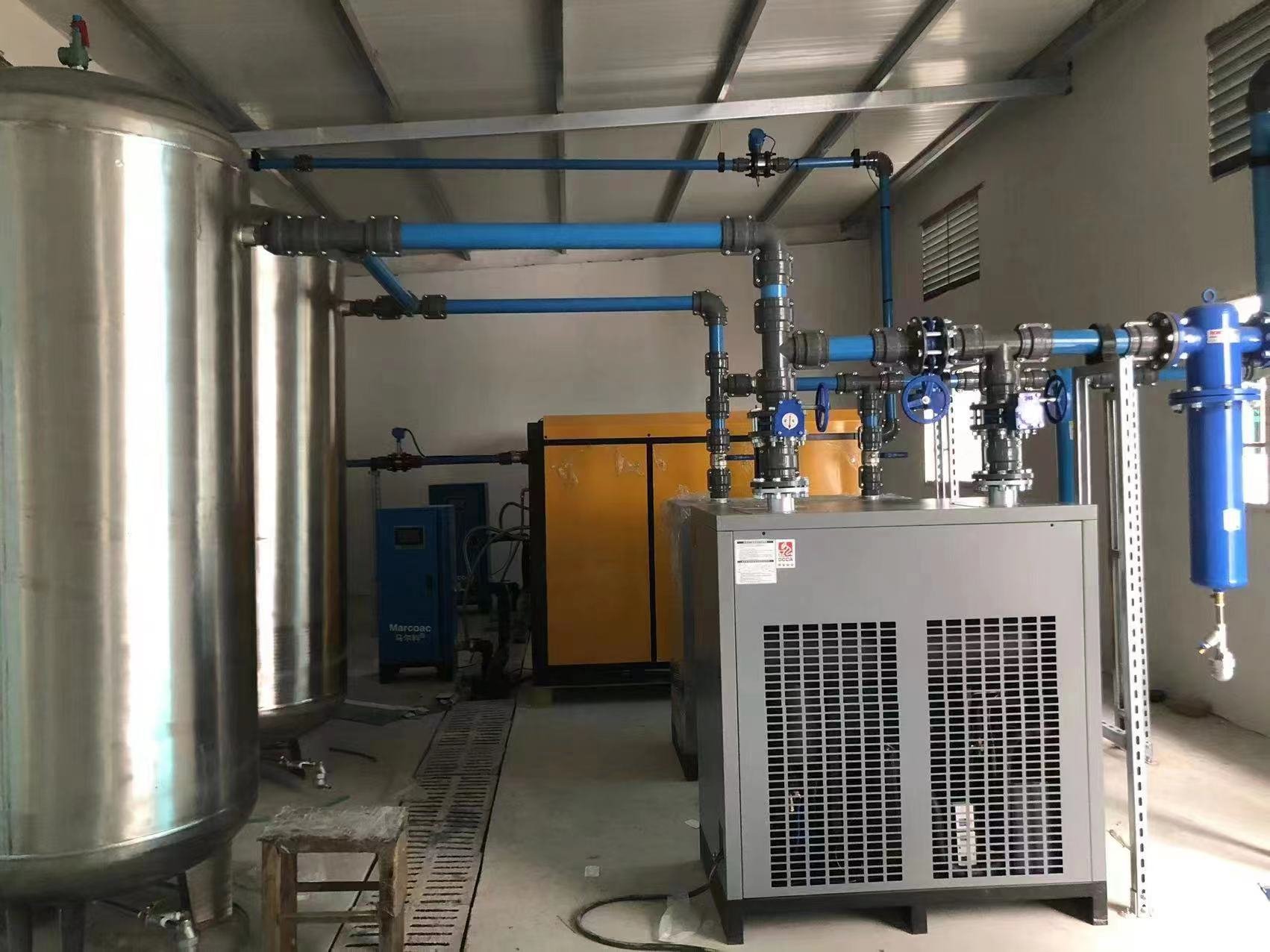
5. Lower total life-cycle costs and flexible scalability:
Although the initial purchase price of aluminium alloy pipes is higher than that of galvanised pipes, their design life spans 20–30 years—far exceeding the 5–10 years of carbon steel pipes. Furthermore, they require no regular rust removal or leak repairs, reducing maintenance workloads by over 70%. Upon scrapping, aluminium alloy scrap can recover 30–40% of the initial cost, resulting in lower overall costs. Furthermore, the use of modular standardised interfaces allows for easy disassembly, relocation and the addition of gas extraction points at any time. This makes them particularly suitable for the automotive and electronics industries, where production lines are frequently adjusted, and ensures minimal material wastage during retrofitting.
